
 EN
EN  Romana
 Magyar
Layered Clothing Equipment
Dressing properly in the mountains does not mean putting on thick clothes at random, but using an effective system of layers that work together to keep your body dry, warm and protected. Whether you ski or snowboard, layered equipment is essential for regulating temperature, removing moisture and adapting to changing weather conditions.
This Snowsports Guide explains in detail how layered clothing works – first layer (base layer), mid layer and outer layer (jacket and pants) – and how to choose each layer correctly for a successful day on the slopes.
Why Is a Layered Clothing System Important?
In the mountains, temperature, wind and exertion levels change constantly. A well-chosen layering system:
This Snowsports Guide explains in detail how layered clothing works – first layer (base layer), mid layer and outer layer (jacket and pants) – and how to choose each layer correctly for a successful day on the slopes.
In the mountains, temperature, wind and exertion levels change constantly. A well-chosen layering system:
- keeps your body dry
- regulates temperature effectively
- prevents overheating or sudden cooling
- provides freedom of movement
- improves long-term comfort
First Layer (Base Layer) – The Foundation of Comfort
First Layer is the layer directly against your skin, with the main role of removing perspiration and keeping your skin dry. This layer is intended to manage moisture rather than provide substantial warmth.
What We Need to Know About the Base Layer
First Layer is the layer directly against your skin, with the main role of removing perspiration and keeping your skin dry. This layer is intended to manage moisture rather than provide substantial warmth.
What We Need to Know About the Base Layer
- it should fit closely to your body
- it should not retain moisture
- it should remain comfortable over long periods
- merino wool
- technical synthetic materials
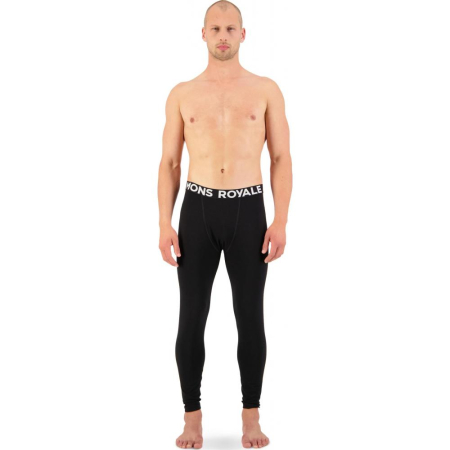
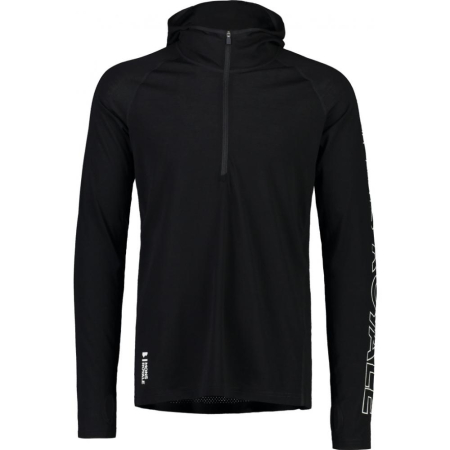
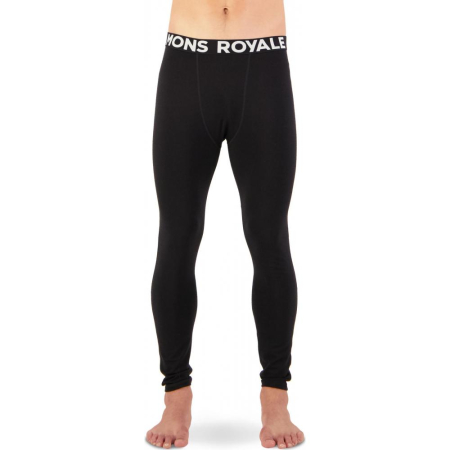
Pantaloni Mons Royale Barbati First Layer Olympus Black 9 Iron
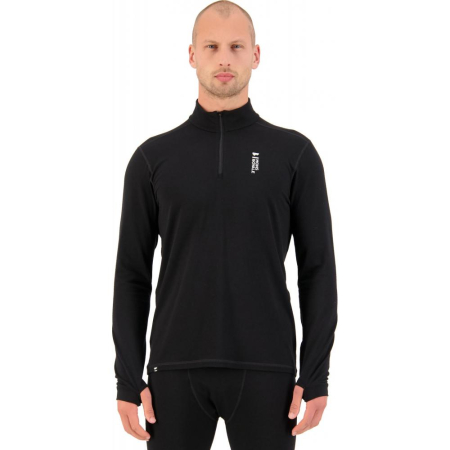
First Layer Merino Mons Royale Cascade Merino Flex 200 1/4 Zip
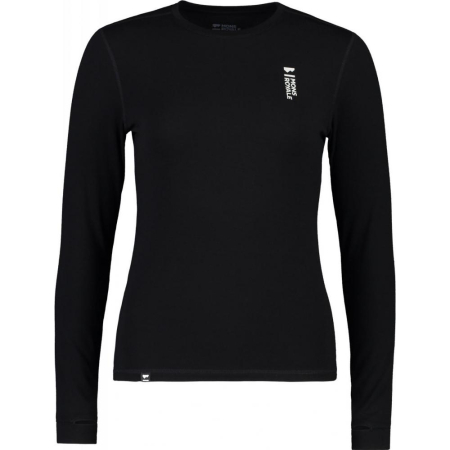
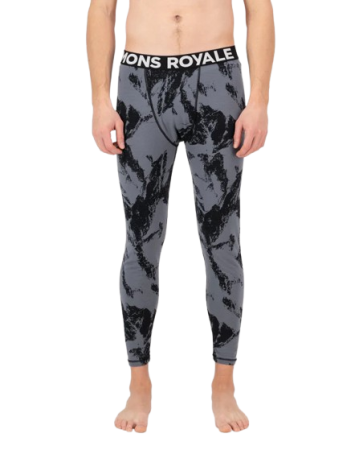
Pantaloni Mons Royale Barbati First Layer Cascade Pixel Grey
Mid Layer – Thermal Insulation
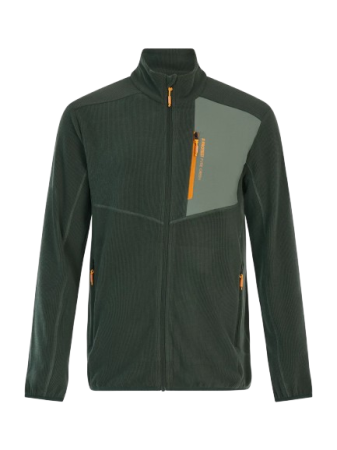
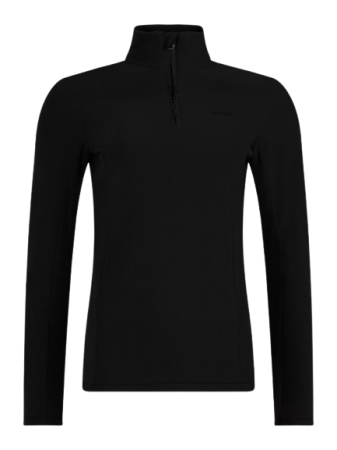
Mid Layer is the layer responsible for retaining warmth. It creates a layer of warm air between the base layer and jacket, keeping your body temperature at an optimal level.
Types of Mid Layer
Mid Layer is the layer responsible for retaining warmth. It creates a layer of warm air between the base layer and jacket, keeping your body temperature at an optimal level.
Types of Mid Layer
- technical fleece
- lightweight insulated jackets
- hoodies or thermal tops
- outside temperature
- activity intensity
- your personal level of thermal comfort



Outer Layer – The Protective Jacket and Pants
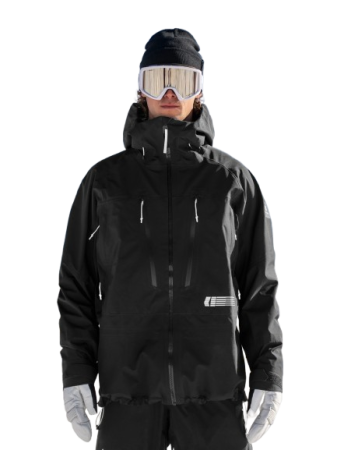
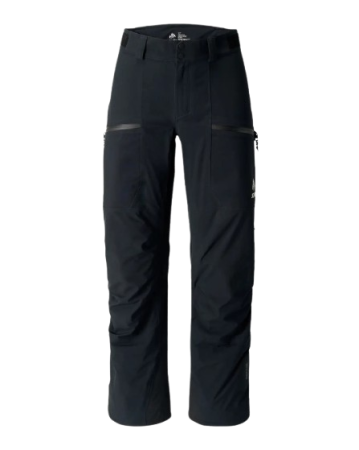
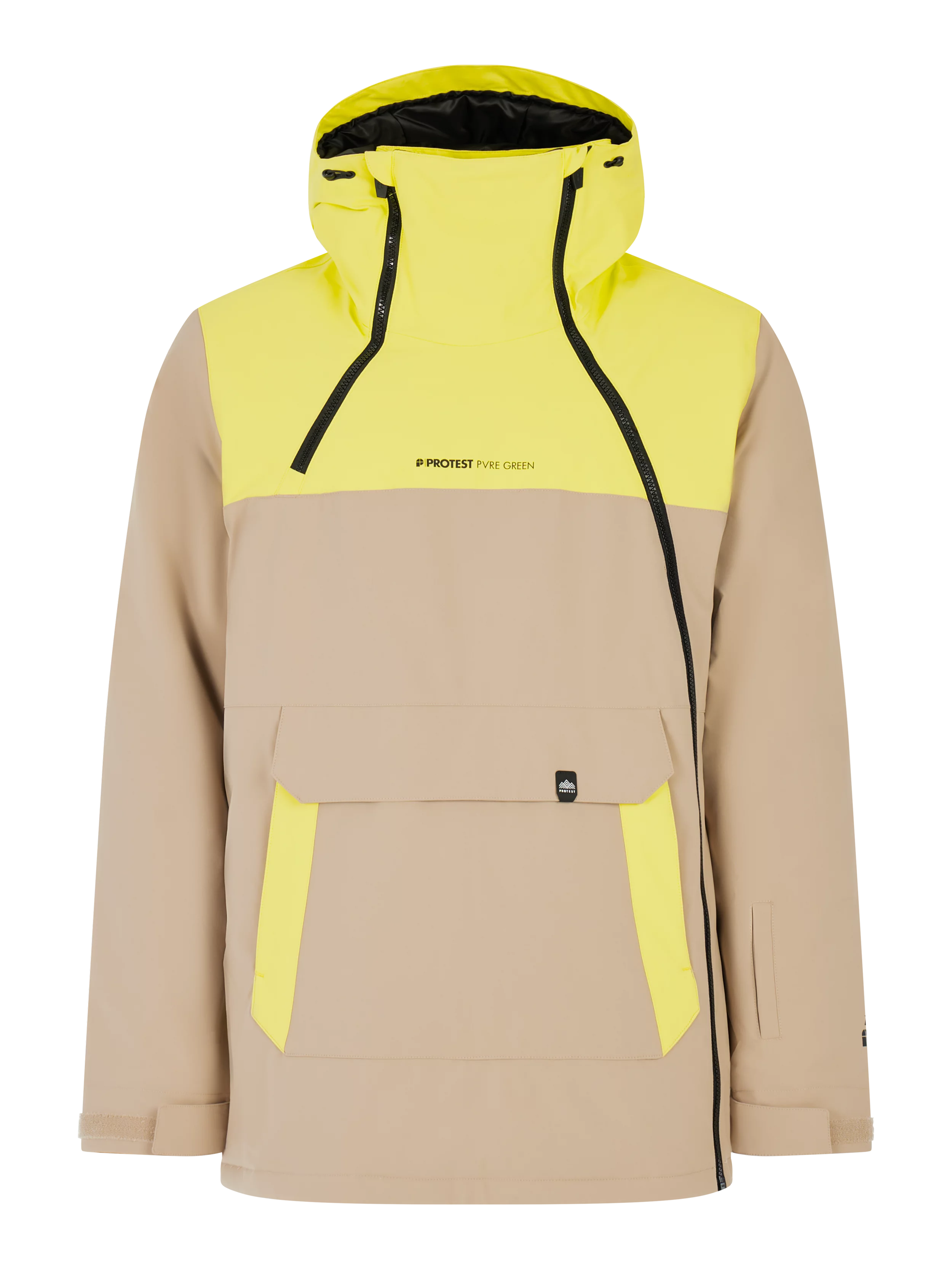
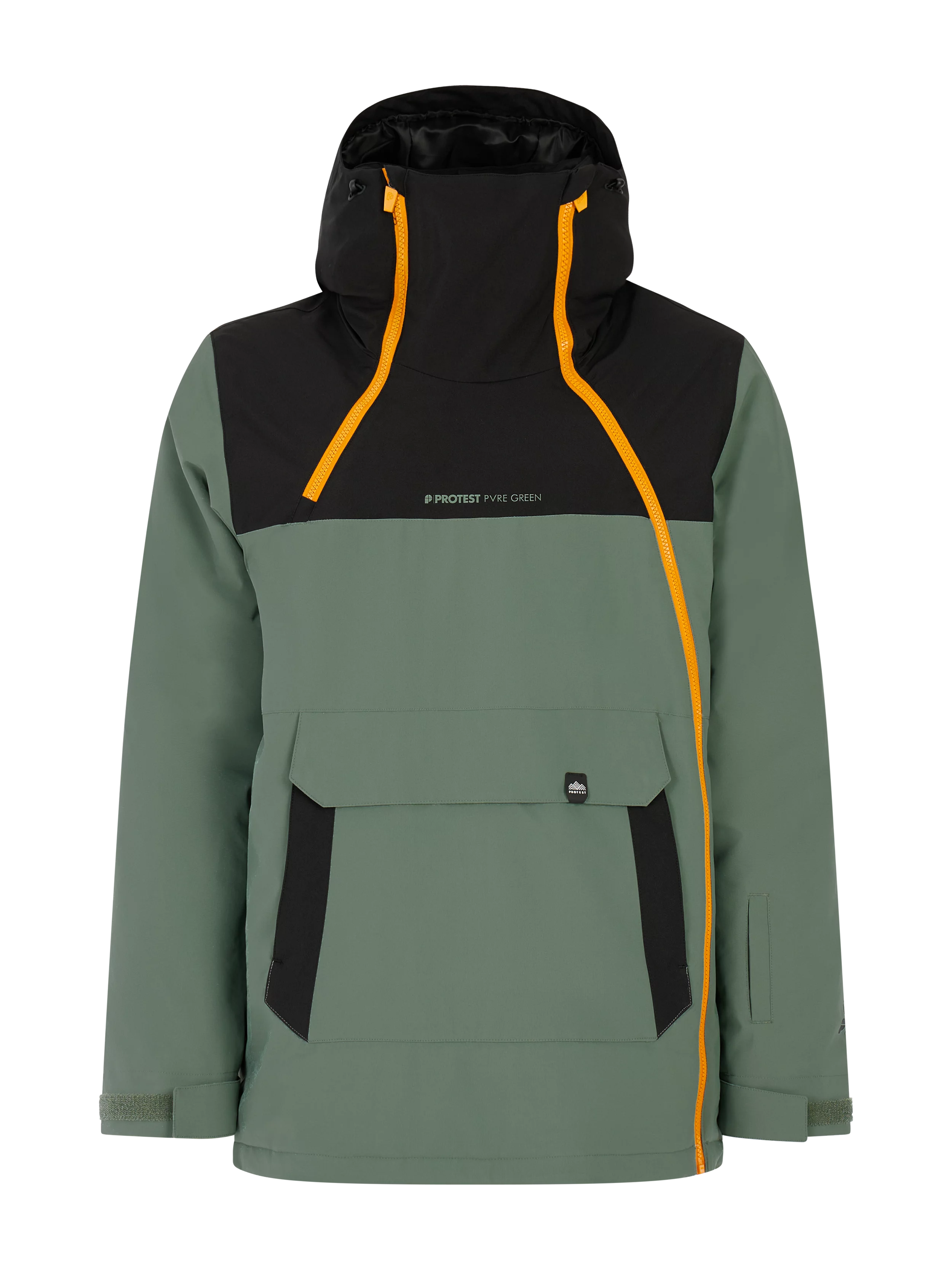
Outer Layer is the exterior layer, responsible for protection against wind, snow and moisture. It should protect and allow the lower layers to breathe without providing excessive warmth.
The Role of the Jacket and Pants
Outer Layer is the exterior layer, responsible for protection against wind, snow and moisture. It should protect and allow the lower layers to breathe without providing excessive warmth.
The Role of the Jacket and Pants
- waterproofing
- wind protection
- breathability
- durability
- a waterproof and breathable membrane
- taped seams
- vents
- DWR treatment

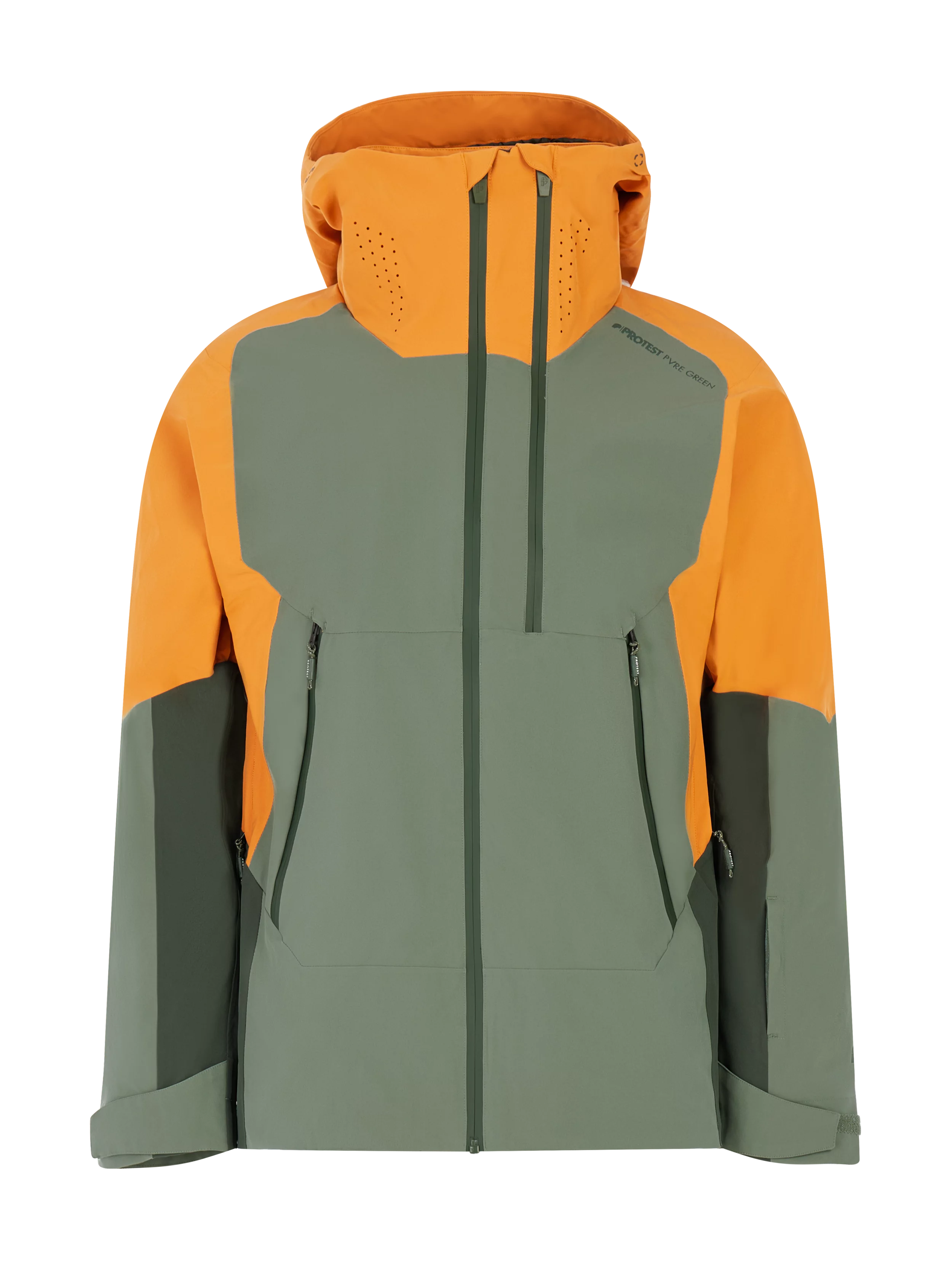
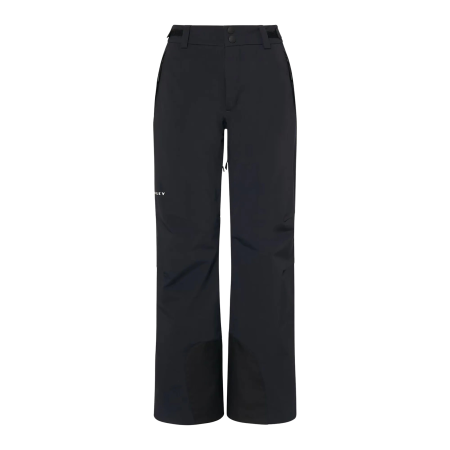
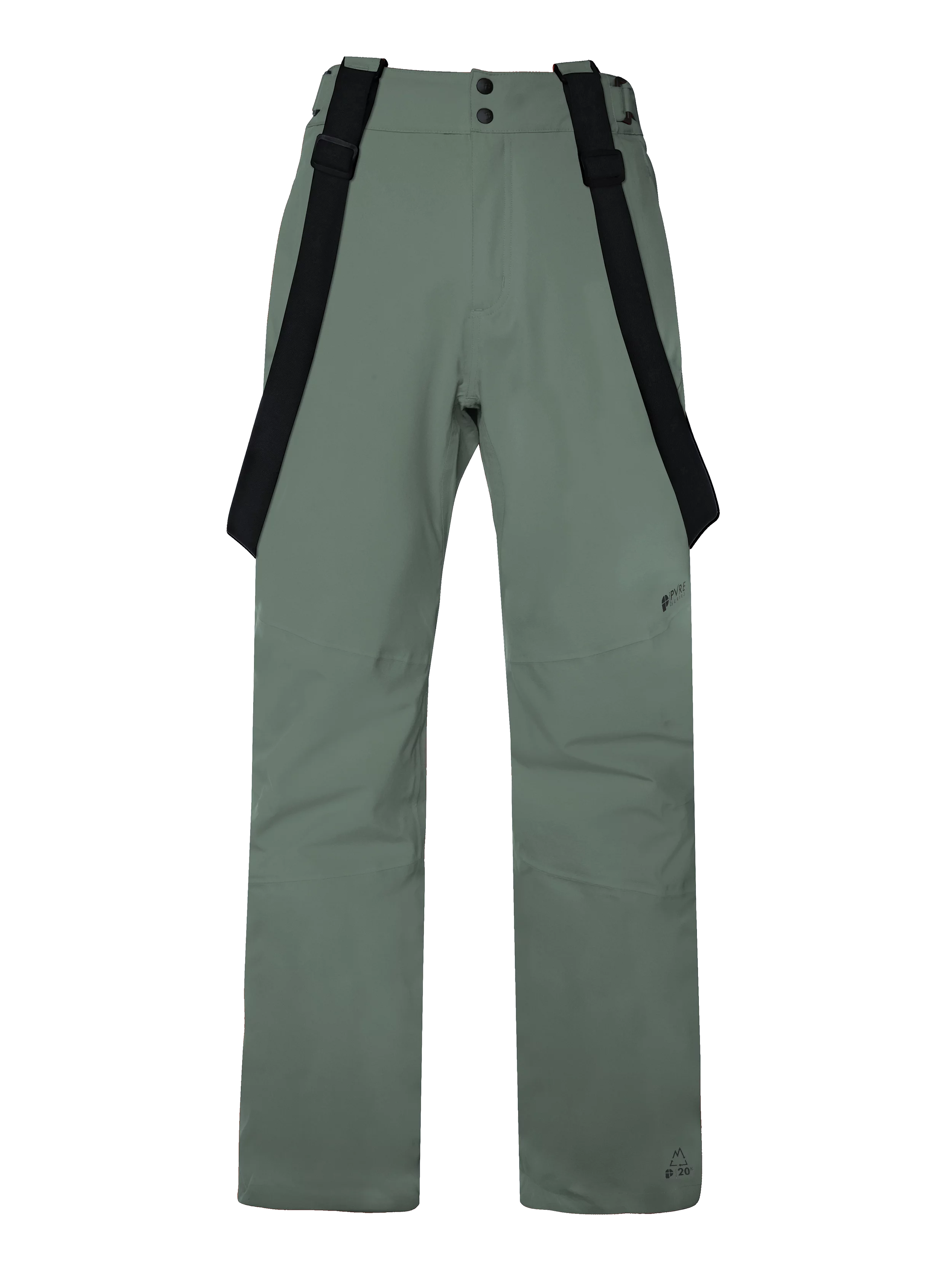
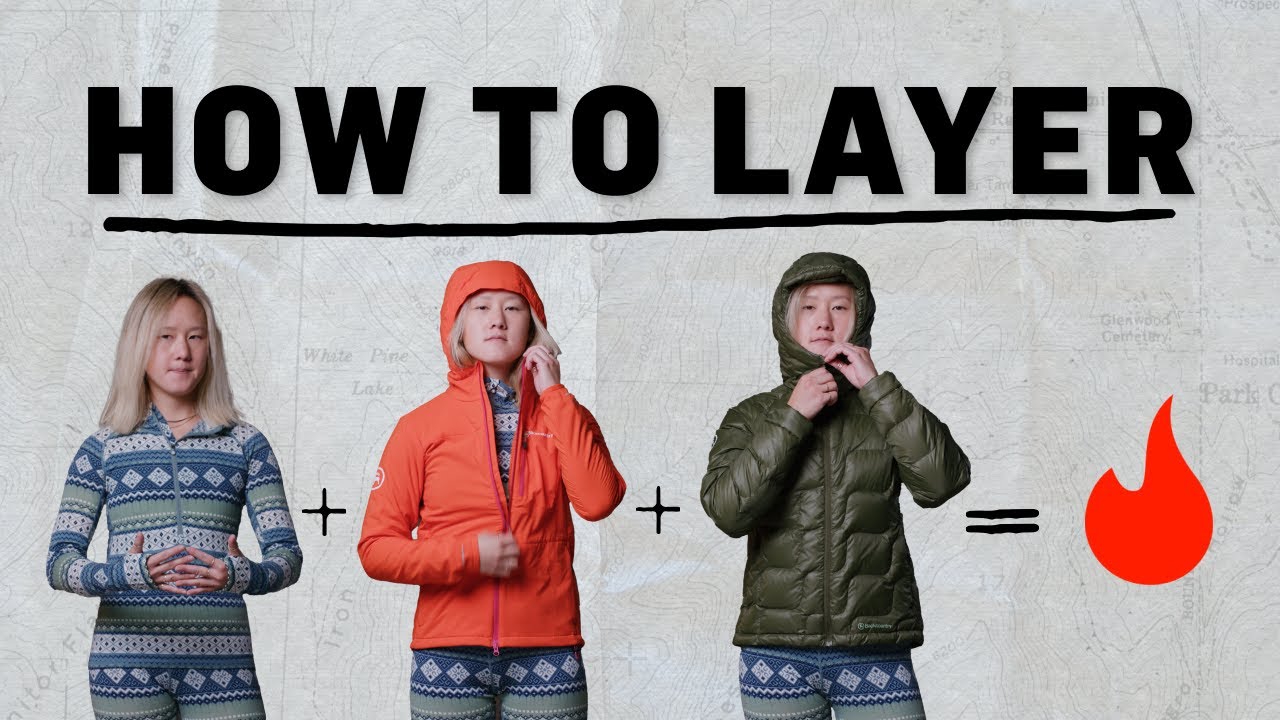
The system’s effectiveness comes from the way the layers work together:
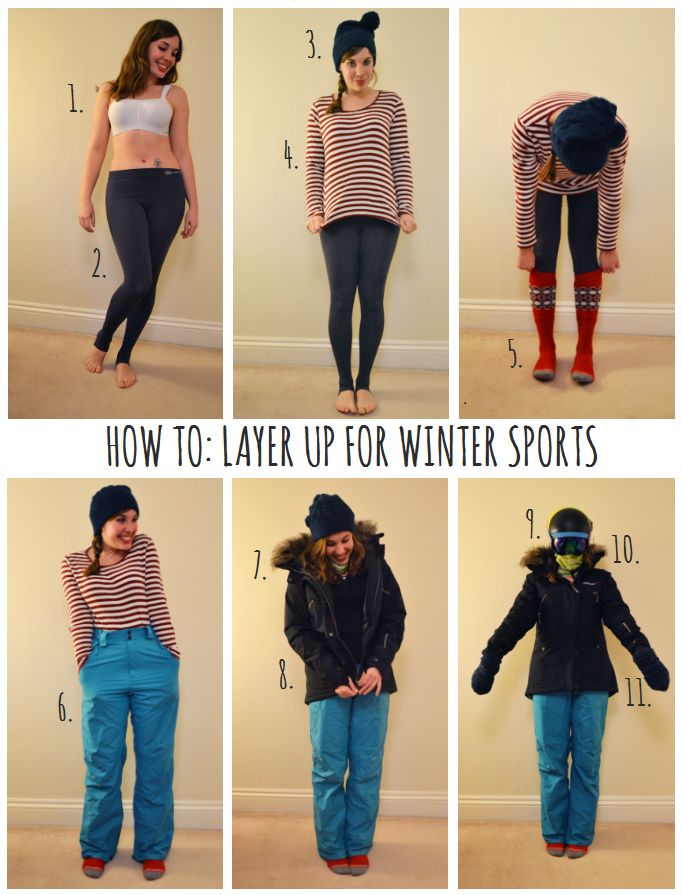
- the base layer removes moisture
- the mid layer retains warmth
- the outer layer protects against the outside environment
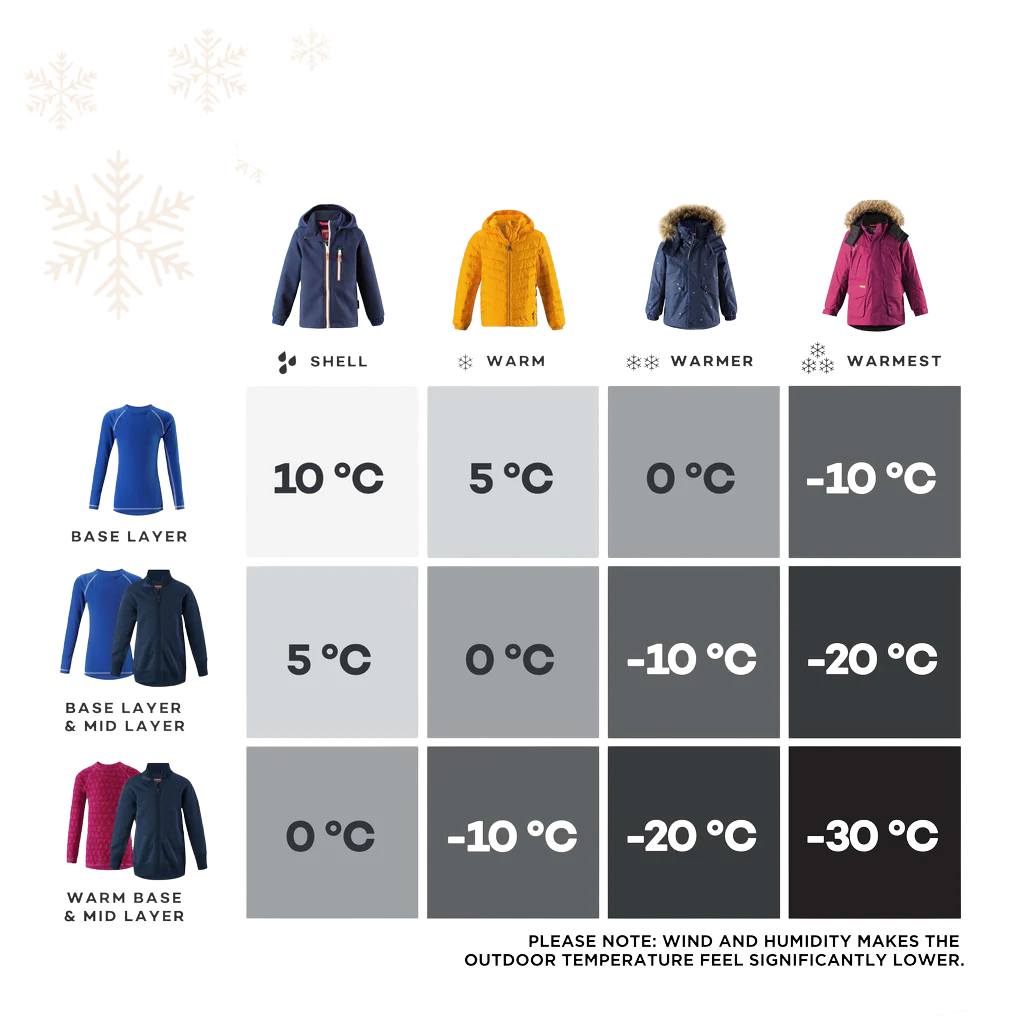
- Cold days: base layer + thick mid layer + waterproof jacket
- Moderate days: base layer + thin mid layer + shell
- Intense exertion: breathable base layer + lightweight mid layer + open ventilation
- using cotton as a first layer
- too many thick layers
- lack of ventilation
- an excessively warm jacket that does not breathe
- failing to adapt the layers to your exertion level
Layered clothing equipment is the key to comfort and performance in the mountains. An effective base layer keeps your skin dry, a good mid layer provides warmth, and a quality outer layer offers complete protection against the weather.
Snowsports recommends dressing in layers as a correct and flexible solution for skiing and snowboarding, suited to all levels and styles of use. Choosing each layer correctly means greater comfort, more freedom of movement and a more enjoyable experience on the slopes.